Two weeks of silence between the US and Iran – and simultaneously, a new Israeli strike on Lebanon. While diplomats prepare for talks in Islamabad, oil prices are hitting South Africa, and in the Democratic Republic of Congo, activists are taking to the streets against European oil corporations. GlobUs' Top News digest highlights the events that changed the world map this week.
Eight people were killed and 22 wounded in an Israeli airstrike in southern Lebanon. The attack occurred on the day the US and Iran announced a two-week ceasefire. Netanyahu supported the pause with Tehran, but emphasized that it does not apply to the Lebanese front, where fighting with Hezbollah continues. The UN reports that more than a million people have been displaced since the escalation.
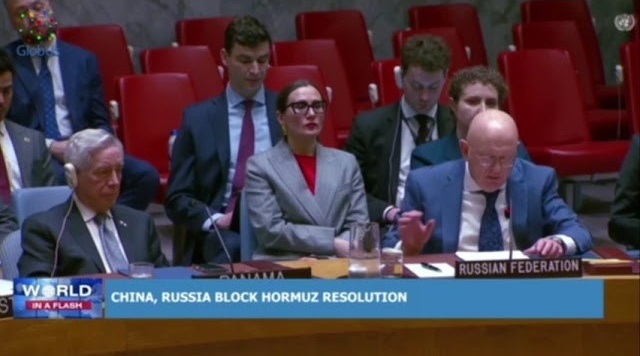
Iranian state television called the ceasefire a "historic victory," claiming Washington had accepted Tehran's ten-point plan. Meanwhile, Russia and China blocked a UN Security Council resolution on shipping in the Strait of Hormuz, blaming the US and Israeli military actions.
South African President Cyril Ramaphosa warned that rising oil and food prices are hitting the country's economy. Since late February, oil has exceeded $100 per barrel. The government has introduced a financial buffer, but the crisis continues to wreak havoc.
In the Democratic Republic of Congo, activists protested against the activities of the European oil company Perenco, accusing it of environmental damage and ties to Rwanda. Demonstrators demanded reparations for affected families and transparency in oil contracts, warning that drilling threatens agriculture.
Rwanda commemorated the 32nd anniversary of the Tutsi genocide. The country's ambassador to Ethiopia, Charles Karumba, warned that ignoring the lessons of history could have deadly consequences.
From the Strait of Hormuz to the streets of Kinshasa, the world continues to prove that geopolitics and economics are no longer the preserve of the "great powers" alone.
You can watch the recording of the broadcast at this link: https://www.youtube.com/watch?v=AWUYy5G2EmA
#GlobUs #newsweek #economy #worldnews
Eight people were killed and 22 wounded in an Israeli airstrike in southern Lebanon. The attack occurred on the day the US and Iran announced a two-week ceasefire. Netanyahu supported the pause with Tehran, but emphasized that it does not apply to the Lebanese front, where fighting with Hezbollah continues. The UN reports that more than a million people have been displaced since the escalation.
Iranian state television called the ceasefire a "historic victory," claiming Washington had accepted Tehran's ten-point plan. Meanwhile, Russia and China blocked a UN Security Council resolution on shipping in the Strait of Hormuz, blaming the US and Israeli military actions.
South African President Cyril Ramaphosa warned that rising oil and food prices are hitting the country's economy. Since late February, oil has exceeded $100 per barrel. The government has introduced a financial buffer, but the crisis continues to wreak havoc.
In the Democratic Republic of Congo, activists protested against the activities of the European oil company Perenco, accusing it of environmental damage and ties to Rwanda. Demonstrators demanded reparations for affected families and transparency in oil contracts, warning that drilling threatens agriculture.
Rwanda commemorated the 32nd anniversary of the Tutsi genocide. The country's ambassador to Ethiopia, Charles Karumba, warned that ignoring the lessons of history could have deadly consequences.
From the Strait of Hormuz to the streets of Kinshasa, the world continues to prove that geopolitics and economics are no longer the preserve of the "great powers" alone.
You can watch the recording of the broadcast at this link: https://www.youtube.com/watch?v=AWUYy5G2EmA
#GlobUs #newsweek #economy #worldnews